
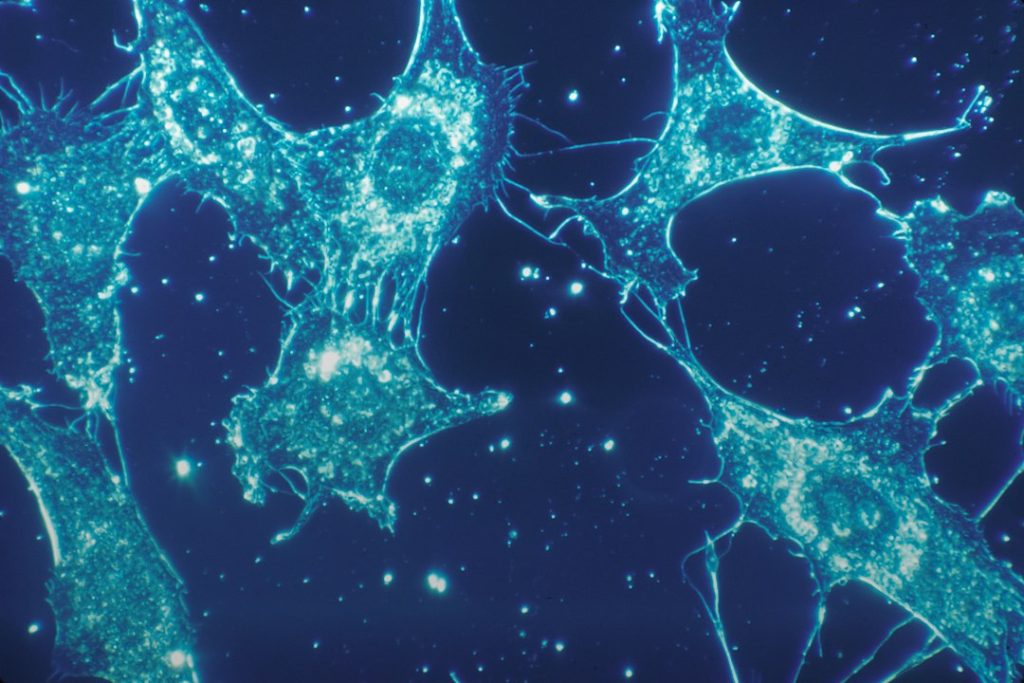
Gene editing, genomics and cell and gene therapy are important areas of modern life-science research. Biotechnology students can begin by understanding the basic concepts, the tools researchers use and the safety and ethical considerations that guide this work.
What Is CRISPR Gene Editing?
CRISPR-based methods are tools researchers use to make targeted changes to genetic material in controlled research settings. Understanding the general principle requires a foundation in DNA, genes, gene expression and how genetic changes can affect cells.
Genomics and Bioinformatics
Genomics studies the structure, function and variation of genomes. Bioinformatics helps researchers organize and analyze biological data, including DNA sequence information and next-generation sequencing (NGS) results.
Cell and Gene Therapy Basics
Cell therapy uses cells as part of a treatment approach, while gene therapy aims to treat or prevent disease by introducing, changing or regulating genetic material. These fields involve complex scientific, manufacturing, regulatory and safety requirements.
Skills Biotechnology Students Can Build
- Genetics, molecular biology and cell biology foundations.
- Basic genomics and DNA sequence concepts.
- Introductory Python and bioinformatics data handling.
- Reading scientific literature and evaluating evidence.
- Research ethics, biosafety awareness and responsible data use.
Beginner Project Ideas
For a safe learning project, create a literature review comparing gene-editing concepts, prepare a diagram of a genomics workflow, or analyze a small public sequence dataset using established educational tools. Do not attempt biological experiments without qualified supervision, appropriate facilities and required approvals.
Explore Biotechnology Student Resources
Visit The Nexora Group Biotechnology and Bioinformatics student page for learning resources and internship information.
Explore related opportunities: Gene Editing CRISPR Internship, Genomics Internship, Cell and Gene Therapy Internship, and Bioinformatics and NGS Sequence Analysis with AI Internship.
Keep Learning Responsibly
Build your knowledge gradually, rely on credible scientific sources and communicate the limitations of your work clearly. Practical skills develop through structured learning, responsible research practices and feedback from qualified mentors.
Image credit: scientific research image via Unsplash.