
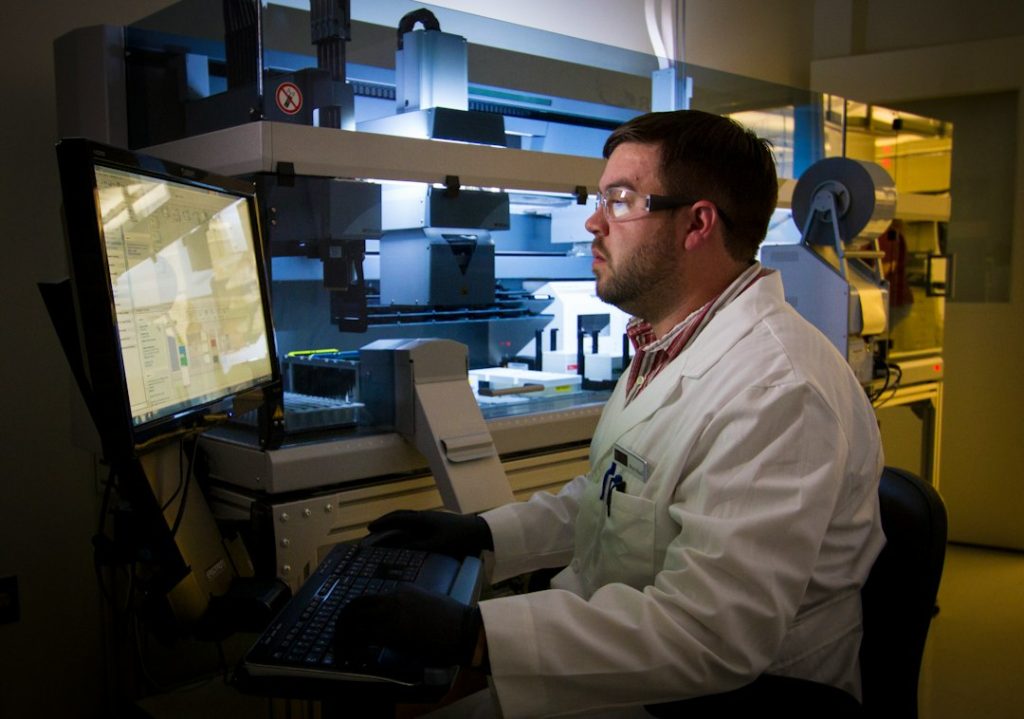
Bioinformatics is an interdisciplinary field that combines biology, computer science, statistics and data analysis to understand biological information. It is increasingly important in genomics, drug discovery, precision medicine and biotechnology research.
For biotechnology, bioinformatics and life-science students, learning computational tools can help build practical skills for research projects, internships and future roles in the life-sciences industry.
What Is Bioinformatics?
Bioinformatics uses software, programming and statistical methods to collect, process, analyse and interpret biological data such as DNA sequences, RNA expression data, protein sequences and genomic variants. It helps researchers turn large datasets into useful biological insights.
Important Bioinformatics Skills for Students
- Python programming: Learn basic Python, data handling and libraries used for biological datasets.
- Sequence analysis: Understand DNA, RNA and protein sequence formats, alignment and database searches.
- Genomics and NGS: Learn the basic workflow of next-generation sequencing data and quality control.
- Statistics and data visualisation: Interpret datasets, identify patterns and communicate results clearly.
- AI and machine learning: Explore how computational models may support biological data analysis and drug-discovery research.
- Research documentation: Keep reproducible notes, explain methods and present results responsibly.
Bioinformatics Internship and Training Opportunities
A structured internship can help students connect theoretical knowledge with guided projects and computational workflows. Explore these related learning opportunities from The Nexora Group:
- Python for Bioinformatics Internship — programming foundations for biological data.
- Bioinformatics and NGS Sequence Analysis with AI Internship — sequence analysis, genomics and AI-assisted workflows.
- Computational Biology Internship Program — computational approaches to biological questions.
- Genomics Internship — introductory learning related to genomics and genetic data.
- Drug Discovery Using AI and Machine Learning Internship — computational methods applied to drug-discovery concepts.
Review each programme page for its current syllabus, eligibility, duration, fees (if applicable), project scope and application instructions before applying.
Who Can Learn Bioinformatics?
Students from biotechnology, bioinformatics, microbiology, biochemistry, genetics, biomedical science, life sciences, computer science and related disciplines may find bioinformatics useful. Beginners can start with biology fundamentals, basic statistics and Python, then progress to sequence analysis and genomics datasets.
Career Areas Related to Bioinformatics
Depending on education, practical experience and role requirements, bioinformatics skills can be relevant to bioinformatics analysis, genomics research, computational biology, biotechnology, pharmaceutical research, clinical-genomics support and biological data science. Advanced research or clinical roles may require additional qualifications.
How to Get Started
- Revise molecular biology, genetics and basic statistics.
- Learn Python fundamentals and practise working with small datasets.
- Explore biological databases and common sequence file formats.
- Complete guided exercises in sequence analysis or genomics.
- Document your workflow and build a small project portfolio.
- Choose an internship or training programme that matches your current skill level and goals.
Frequently Asked Questions
Is Python necessary for bioinformatics?
Python is useful for automating tasks and analysing biological data, although the tools needed depend on the project. Beginners can start with basic programming and gradually learn bioinformatics libraries and workflows.
Can biotechnology students learn bioinformatics?
Yes. Biotechnology students can build bioinformatics skills by combining their biology background with programming, statistics and practical data-analysis exercises.
Where can I find bioinformatics internship options?
Start with the programme links listed above and read the official pages carefully for current eligibility, curriculum, application steps and programme terms.
Explore Bioinformatics Learning Opportunities
Ready to explore computational biology and biological data analysis? Visit the Biotechnology and Bioinformatics Students page or browse live internship opportunities on The Nexora Group website.
Note: This article is for educational and career-awareness purposes. Programme details may change; check the linked official pages for the latest information.
#Bioinformatics #BioinformaticsInternship #Biotechnology #ComputationalBiology #Genomics #NGS #PythonForBioinformatics #LifeSciences #AIinBiology