
Biotechnology is evolving rapidly through the integration of Artificial Intelligence (AI), bioinformatics, genomics and computational biology. These fields help researchers analyze biological data, study disease mechanisms and explore potential approaches to drug discovery.
What Is AI in Drug Discovery?
AI can support researchers by analyzing molecular structures, identifying potential drug targets and prioritizing compounds for further investigation. AI tools assist scientific workflows, but experimental validation and expert judgment remain essential.
Why Bioinformatics Matters
Bioinformatics combines biology, computer science and statistics to analyze biological data. Biotechnology students can build a foundation in biological sequence analysis, Python programming, genomics, gene expression analysis, Next-Generation Sequencing (NGS) and computational biology.
Skills Biotechnology Students Can Develop
- DNA and protein sequence analysis
- Python fundamentals for biological datasets
- Genomics and NGS data concepts
- Data visualization and interpretation
- Introductory computational biology workflows
Beginner-Friendly Project Ideas
Students can start with educational projects such as analyzing a public DNA sequence, visualizing gene-expression data, comparing biological sequences or exploring a public dataset. Use reputable public resources and clearly document methods, limitations and findings.
Career and Learning Opportunities
AI-assisted drug discovery, genomics, bioinformatics and computational biology offer interdisciplinary learning opportunities. Developing practical skills and documenting projects can help students prepare for further study and relevant career pathways.
Explore Biotechnology and Bioinformatics Learning
Visit The Nexora Group’s biotechnology and bioinformatics student page to explore learning opportunities. You can also read our Bioinformatics and NGS Data Analysis career guide.
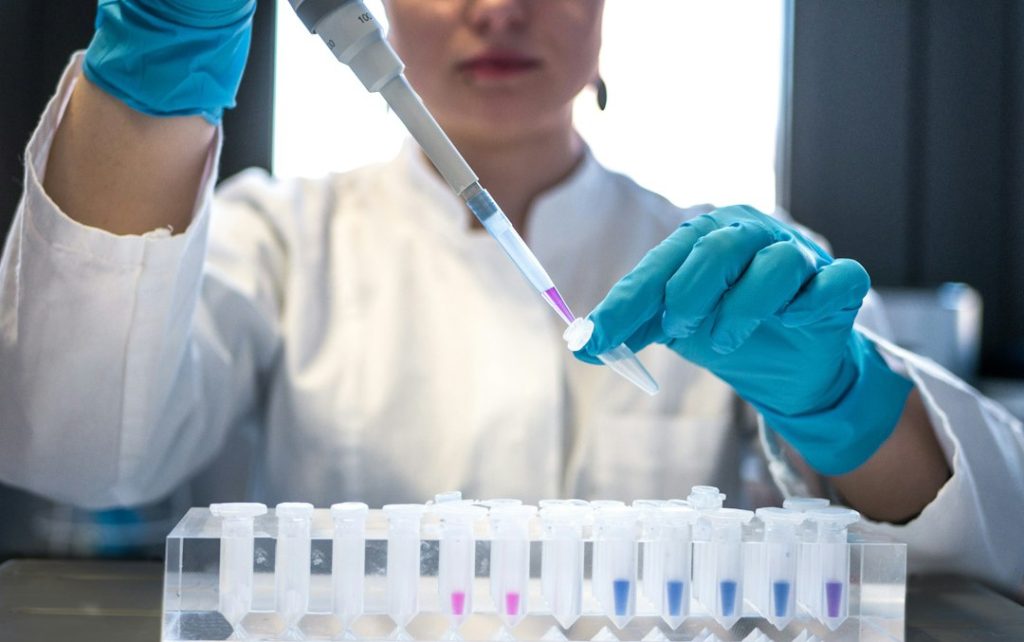
Featured research image: Julia Koblitz via Unsplash.