
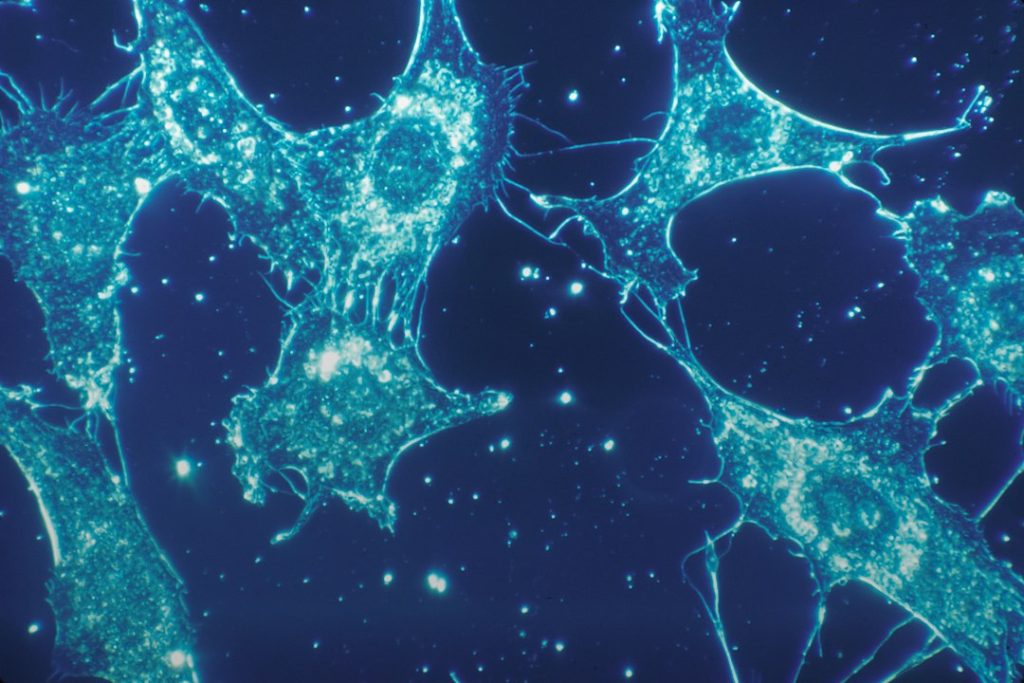
Cell and gene therapy is an important area of biotechnology research that explores how cells or genetic material may be used to treat or study disease. It connects molecular biology, genetics, cell biology, gene editing and bioinformatics. For students, learning the foundations of these topics can help build an understanding of this developing field.
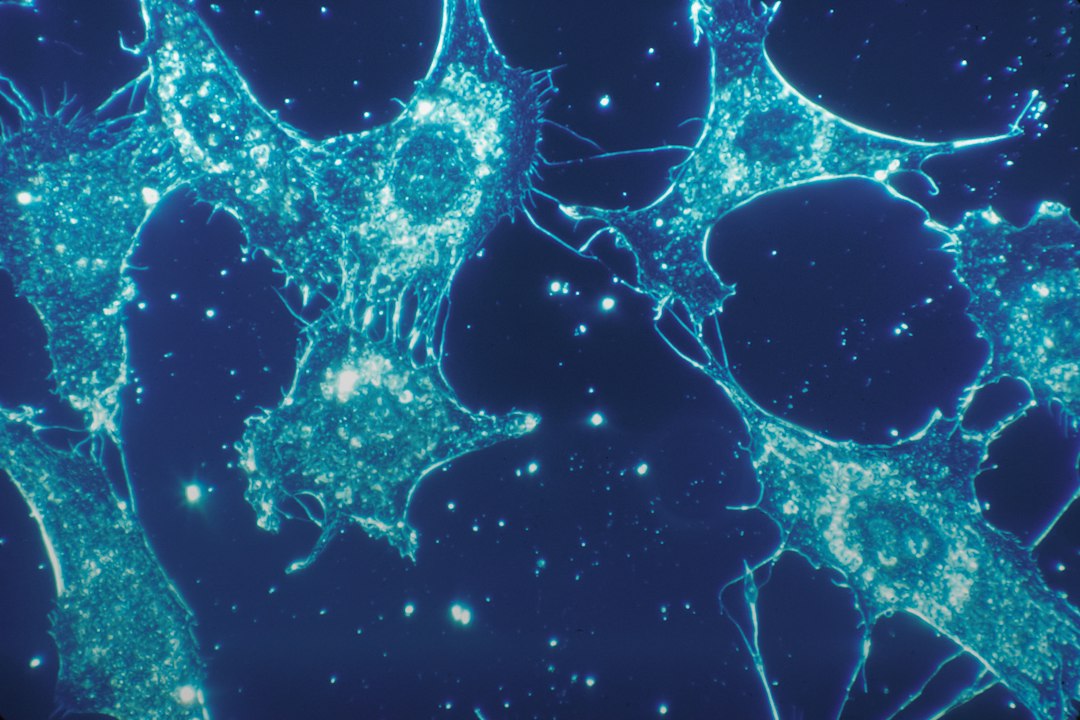
What is cell therapy?
Cell therapy involves using cells as part of a therapeutic approach or research strategy. The type of cell, how it is prepared, how it functions and how its safety is assessed depend on the specific treatment. Clinical use requires rigorous testing, quality controls and appropriate regulatory oversight.
What is gene therapy?
Gene therapy broadly refers to approaches that introduce, modify or regulate genetic material to address a biological or medical problem. Different strategies have different mechanisms, delivery challenges, potential benefits and risks. Students should understand that outcomes depend on the disease, target, delivery method and evidence from clinical research.
How CRISPR and genomics connect
CRISPR-based tools can be used in research to target selected DNA sequences. Genomics and sequencing can help researchers study genetic variation and assess changes in DNA. Experimental results require careful validation, including consideration of unintended effects and limitations of the analytical method.
Where bioinformatics fits
Bioinformatics helps researchers analyze biological data, including DNA and RNA sequences, gene expression and other molecular measurements. NGS analysis may involve data quality checks, alignment or assembly, variant interpretation and visualization. Computational analysis supports research but does not, by itself, establish that a therapy is safe or effective.
Useful skills for biotechnology students
- Cell biology, genetics and molecular biology
- DNA, RNA, gene expression and genome organization
- Introductory Python or R for data analysis
- Sequence databases and genomics terminology
- Scientific literature reading and data visualization
- Research ethics, safety awareness and critical interpretation
Beginner project ideas
Use public educational datasets to summarize gene-expression measurements, compare published sequences, visualize a small dataset or prepare a literature review comparing cell therapy and gene therapy concepts. Use non-sensitive data, follow dataset terms and avoid unapproved laboratory procedures or clinical advice.
Explore biotechnology and bioinformatics opportunities
Visit The Nexora Group Biotechnology and Bioinformatics Students page for relevant learning and internship information. You may also explore Gene Editing and CRISPR, Genomics and Cell and Gene Therapy learning topics.
Conclusion
Cell and gene therapy brings together cell biology, genetics, genomics and computational research. Students can start with fundamental concepts, build data-analysis skills and learn to assess scientific evidence critically. Any clinical claims should be based on reliable research and appropriate professional guidance.
SEO keywords: cell and gene therapy, CRISPR for students, genomics, bioinformatics, gene therapy basics, biotechnology internship.